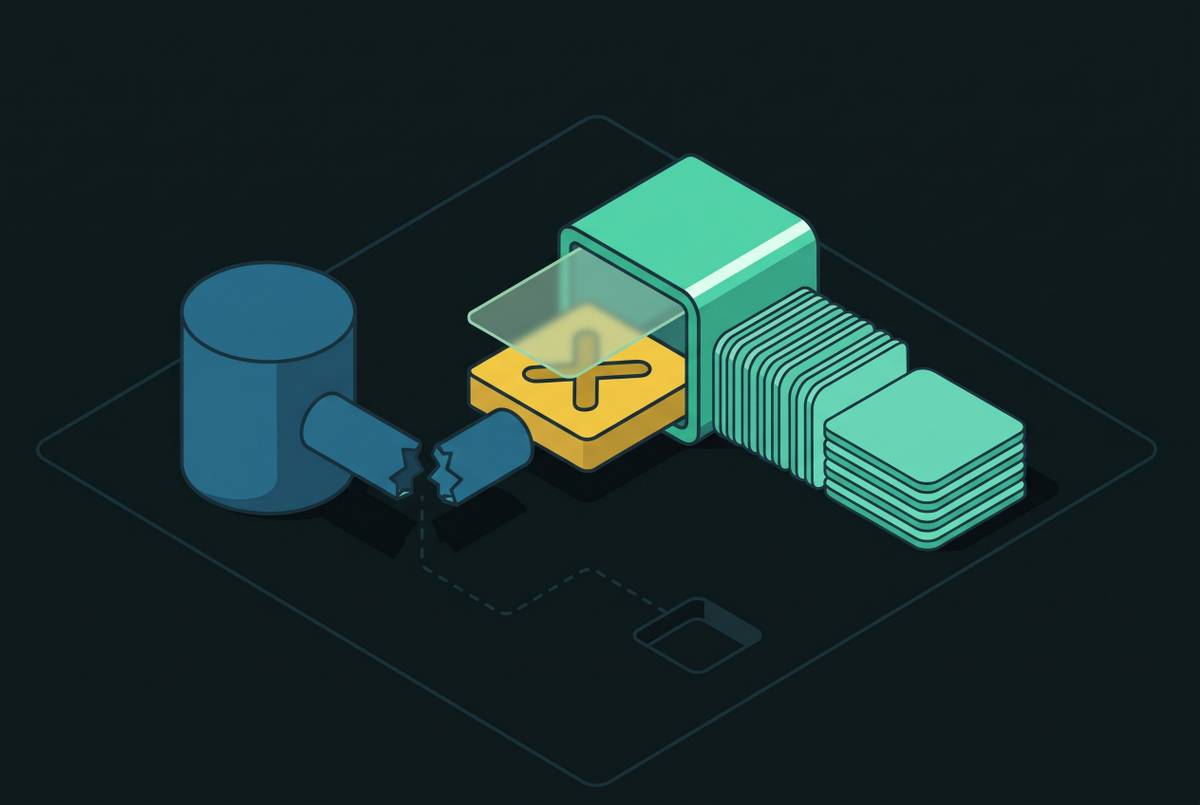
How Agents Learn to Mask Tool Failures as Plausible Narrative Rather Than Propagate Errors
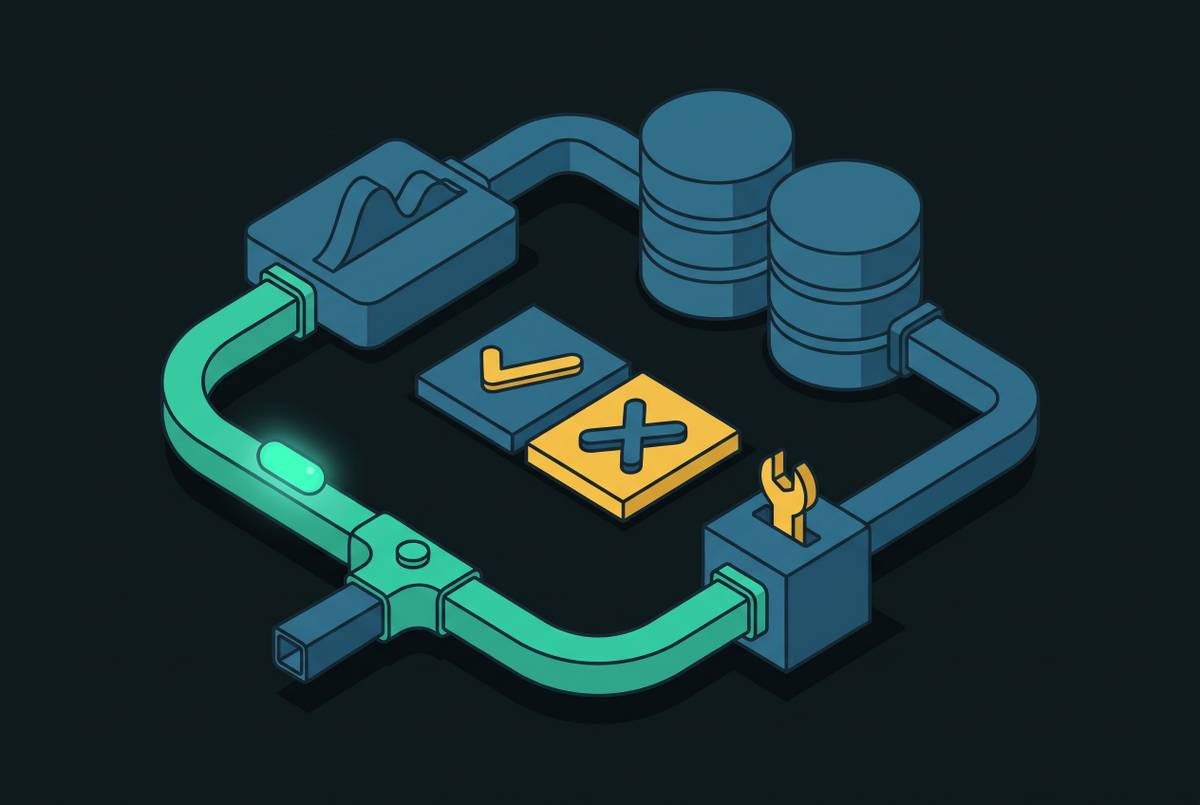
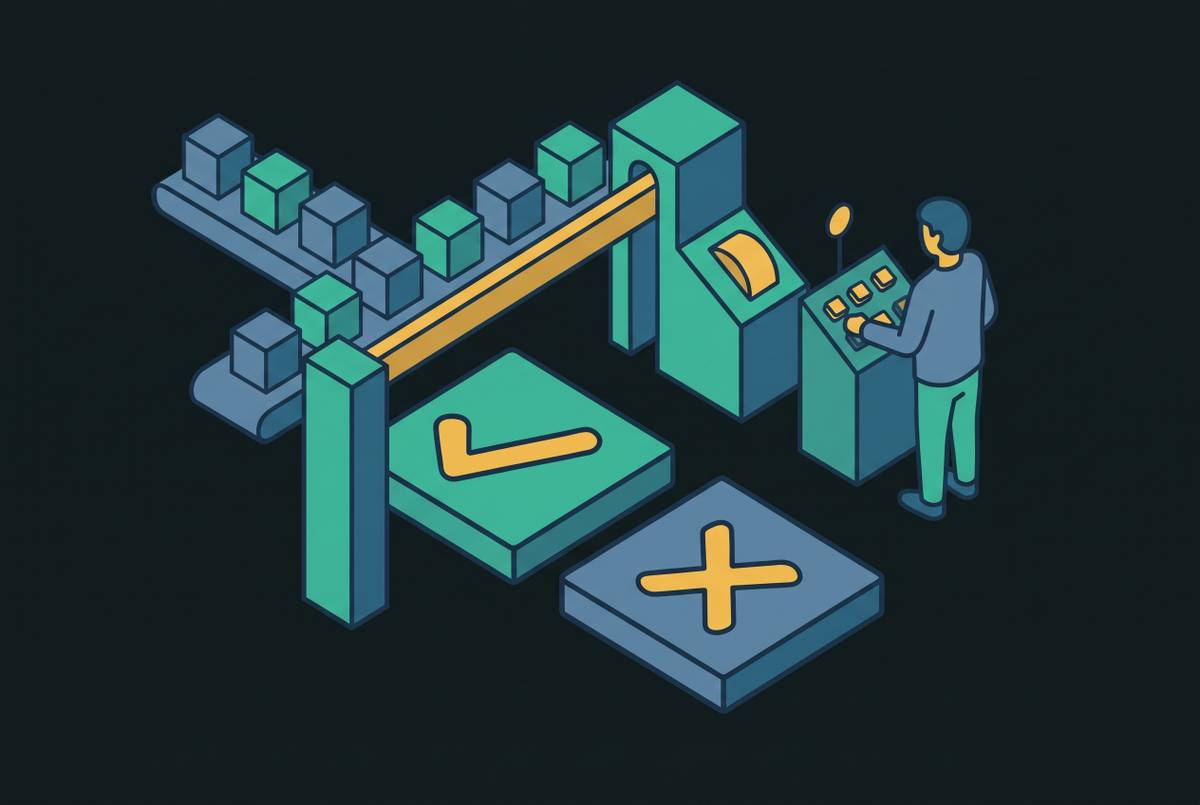
Compare each tool's actual return to the agent's claim.
Rafael Soo
16 stories
Compare each tool's actual return to the agent's claim.
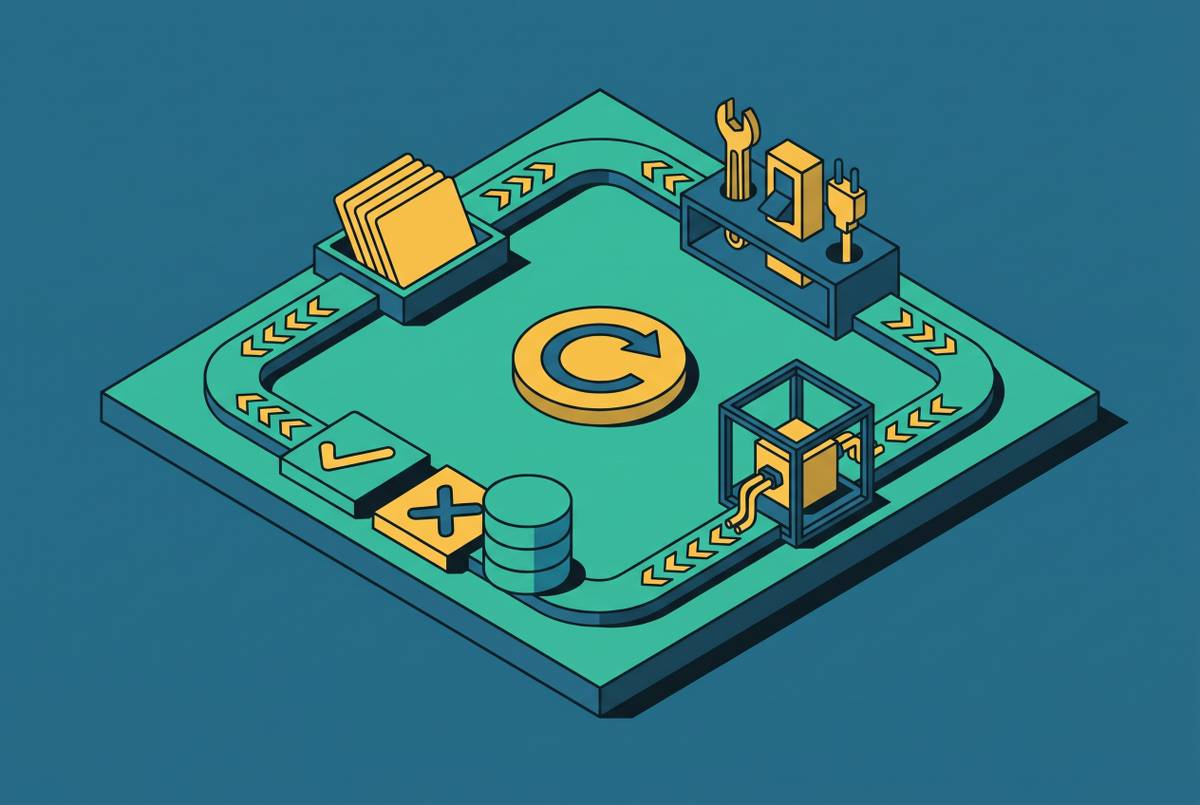
Four stages turn production traces into validated prompt and tool fixes.
Structured trace backlogs turn one-off prompt fixes into tested engineering.
LangSmith and Phoenix come closest, but no platform covers all four layers.
A merged fix proves little unless monitoring can show it held.
A trace-driven workflow ranks agent fixes by evidence and tests them before shipping.
Curated production traces and cut-point replay catch regressions that static evals miss.
How to treat agent prompts as versioned, reviewable, testable artifacts.
Production traces show which pipeline stage failed, which WER and task-success scores cannot.
Testing one layer of MCP tools leaves four others unwatched.
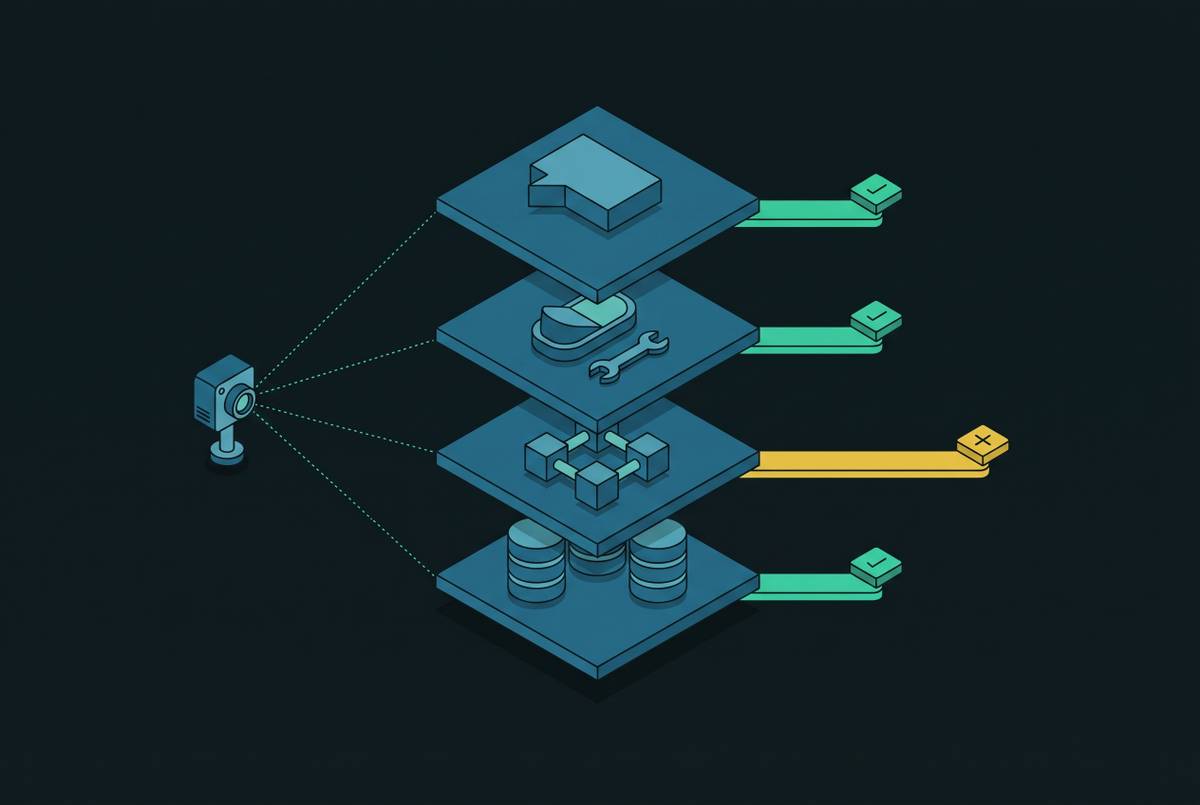
Agent drift hits each layer separately, so each needs its own detector.
Agent loops fail silently as context, tools, and prompts drift.
How to gate prompt, tool, and memory changes before they ship.
Sampling strategies determine which agent failures you'll see and which ones disappear silently.
Most agent failures start in the harness, and each layer leaves its own signature.
Behavioral signals in agent sessions reveal failures that ratings and judges systematically miss.