Feedback Loop Architecture
Loop Latency and Its Effect on Agent Improvement Velocity
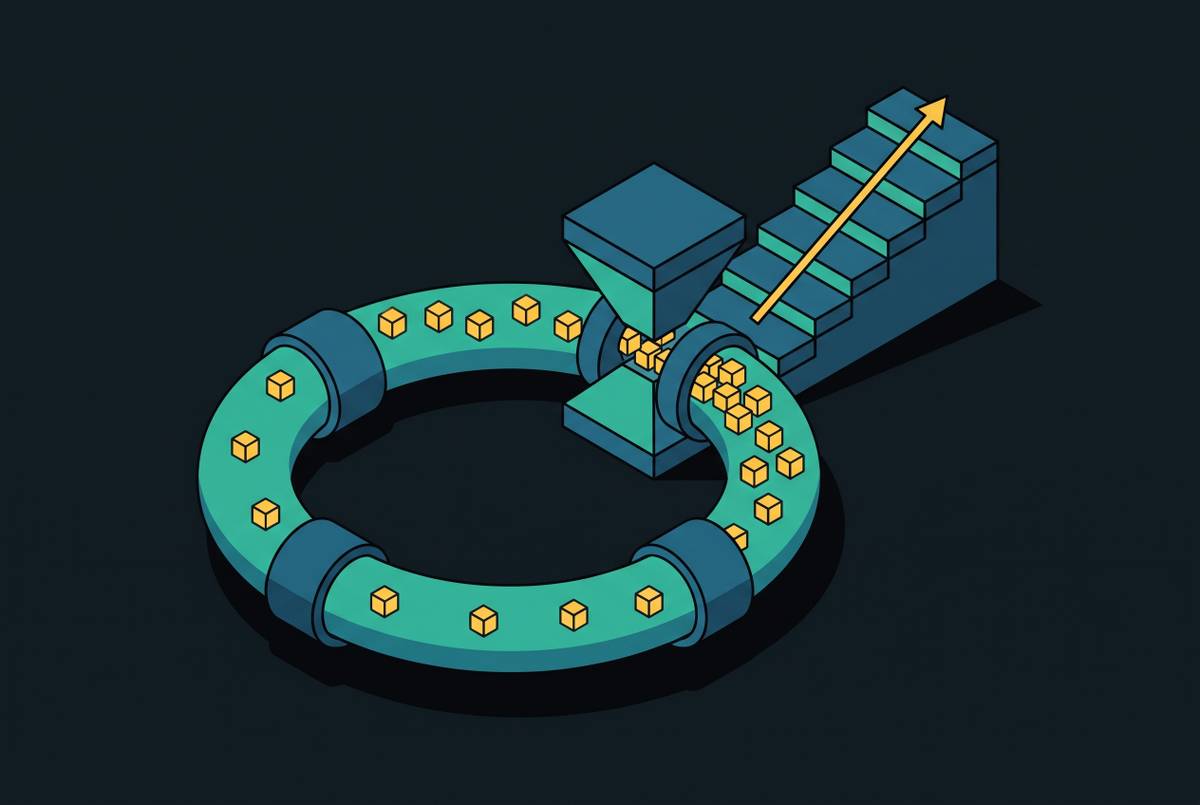
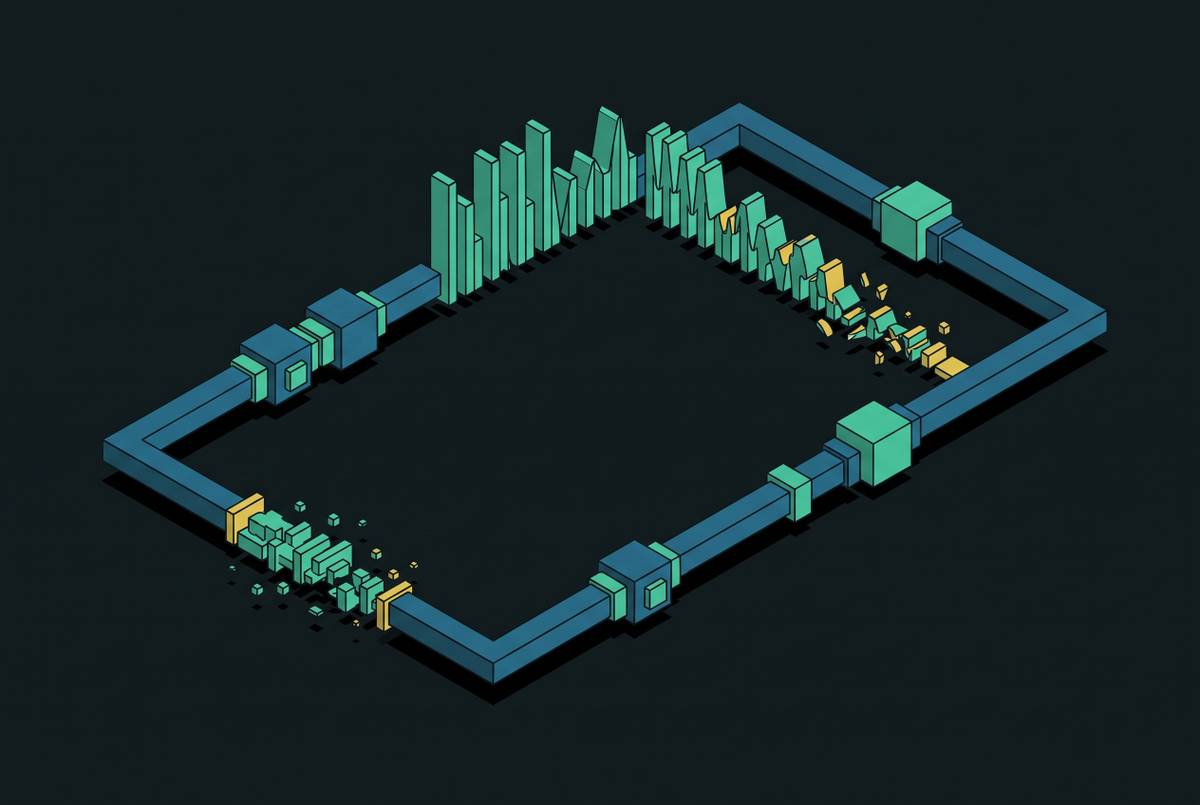
Sequential LLM calls create hidden delays that compound into agent improvement bottlenecks.
Celeste Oduya13 min read
Agent loops keep running smoothly on wrong information until damage accumulates invisibly.
Sequential LLM calls create hidden delays that compound into agent improvement bottlenecks.
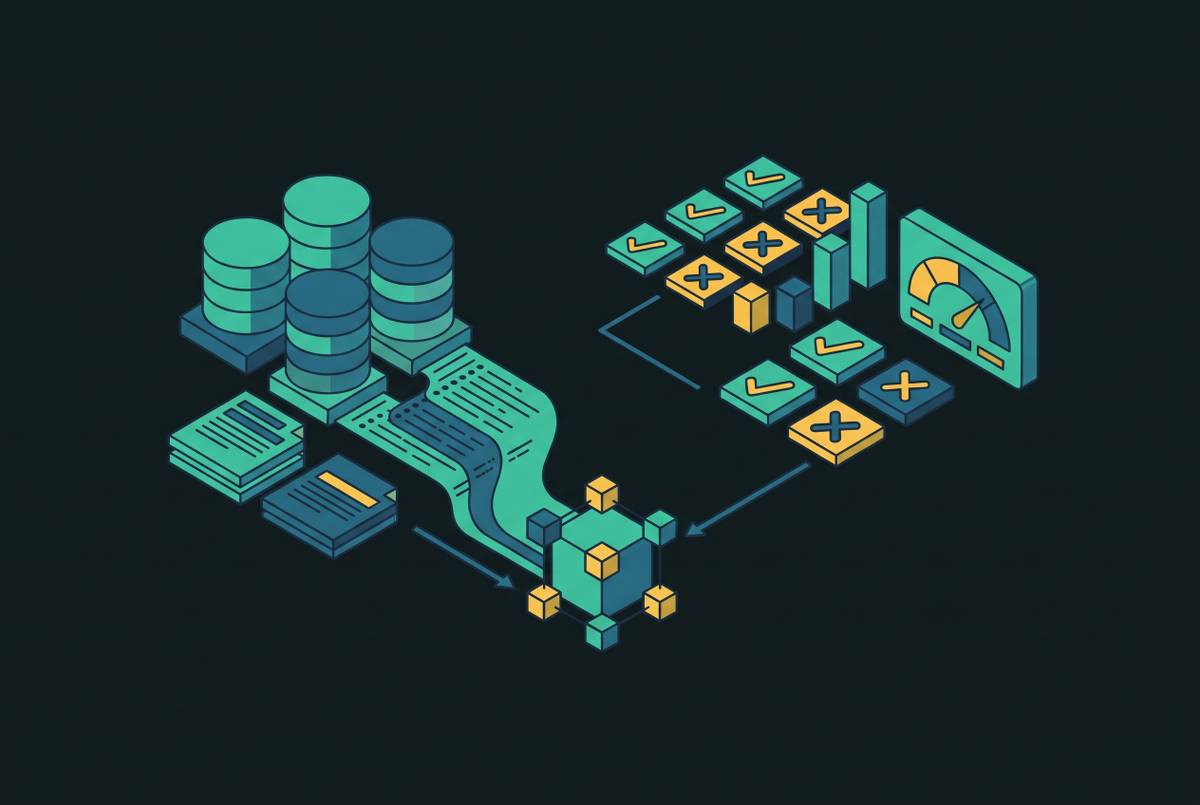
Capture real production failures to build more realistic agent regression tests.
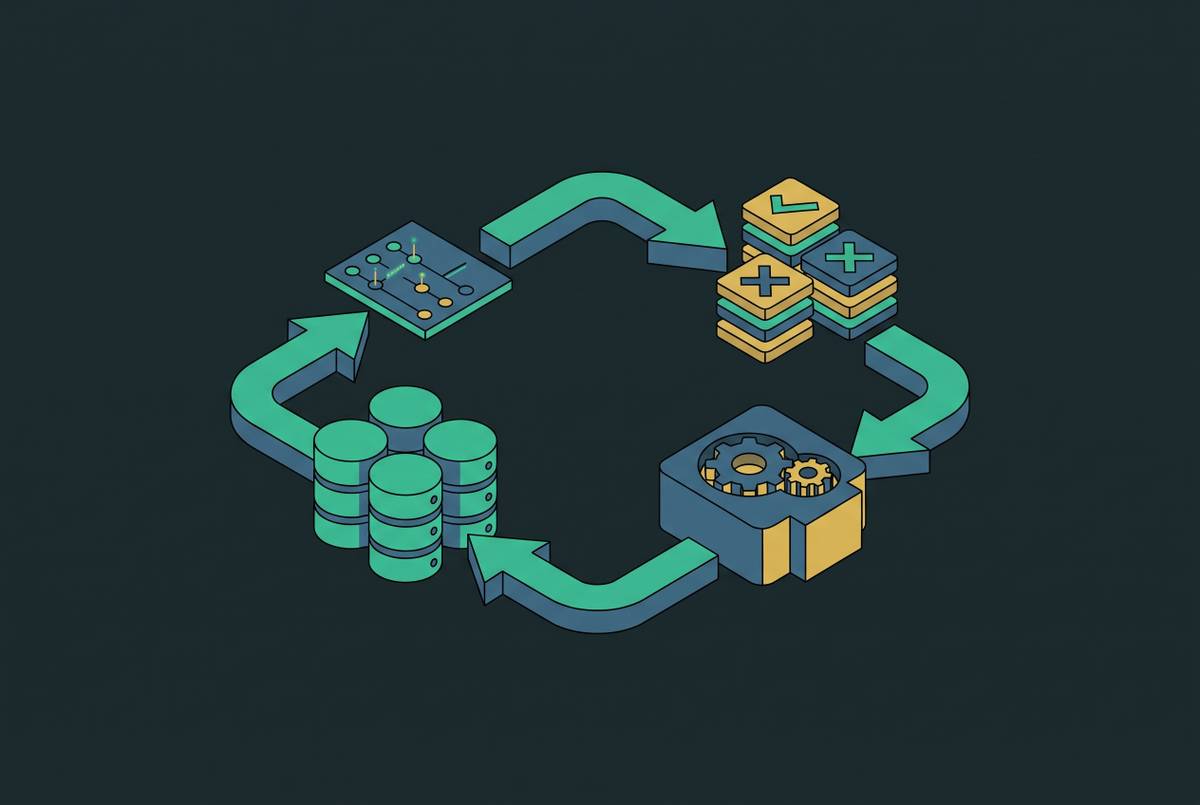
Treating harness changes as production infrastructure requires human sign-off like code review does.
Ranking agent fixes by production impact and failure type prevents costly misalignment delays.
Skipping evaluation stages leaves teams improving agents by accident instead of design.
Behavioral logs reveal what agents actually did; evaluation scores only show whether they succeeded.
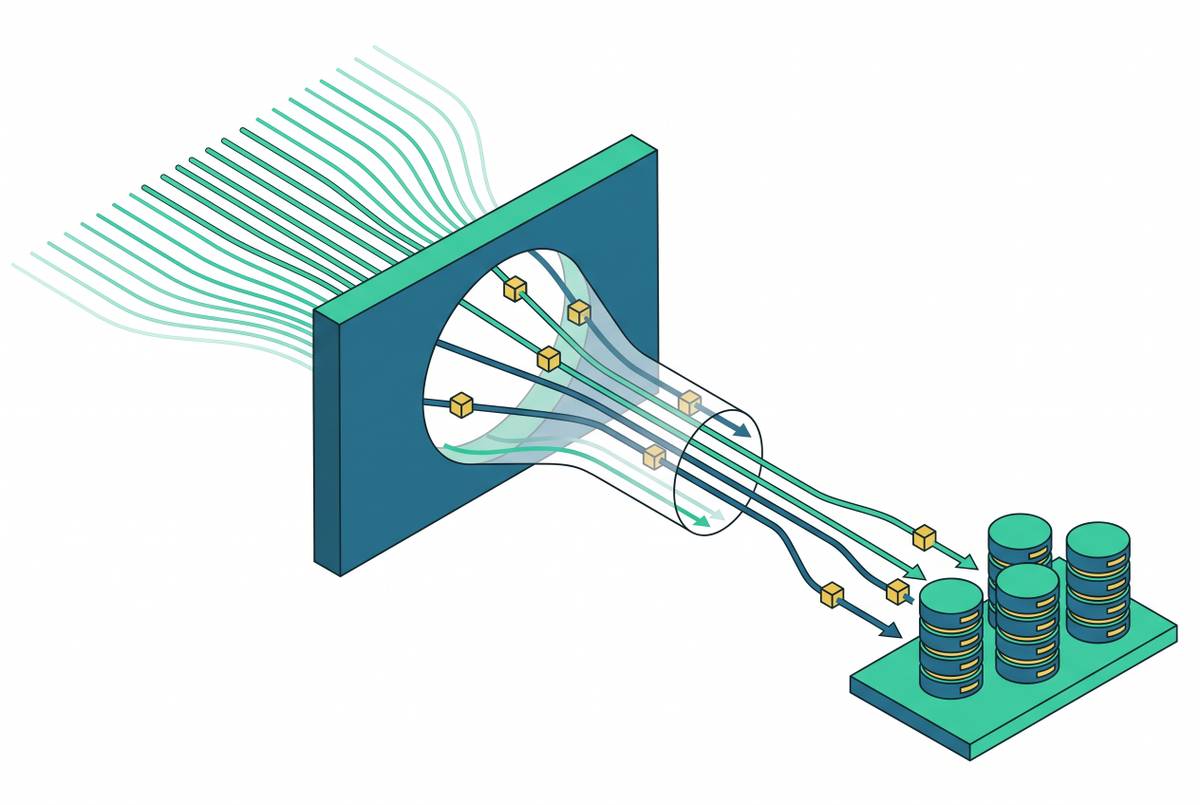
Sampling strategy determines whether agent failures get recorded or vanish silently.
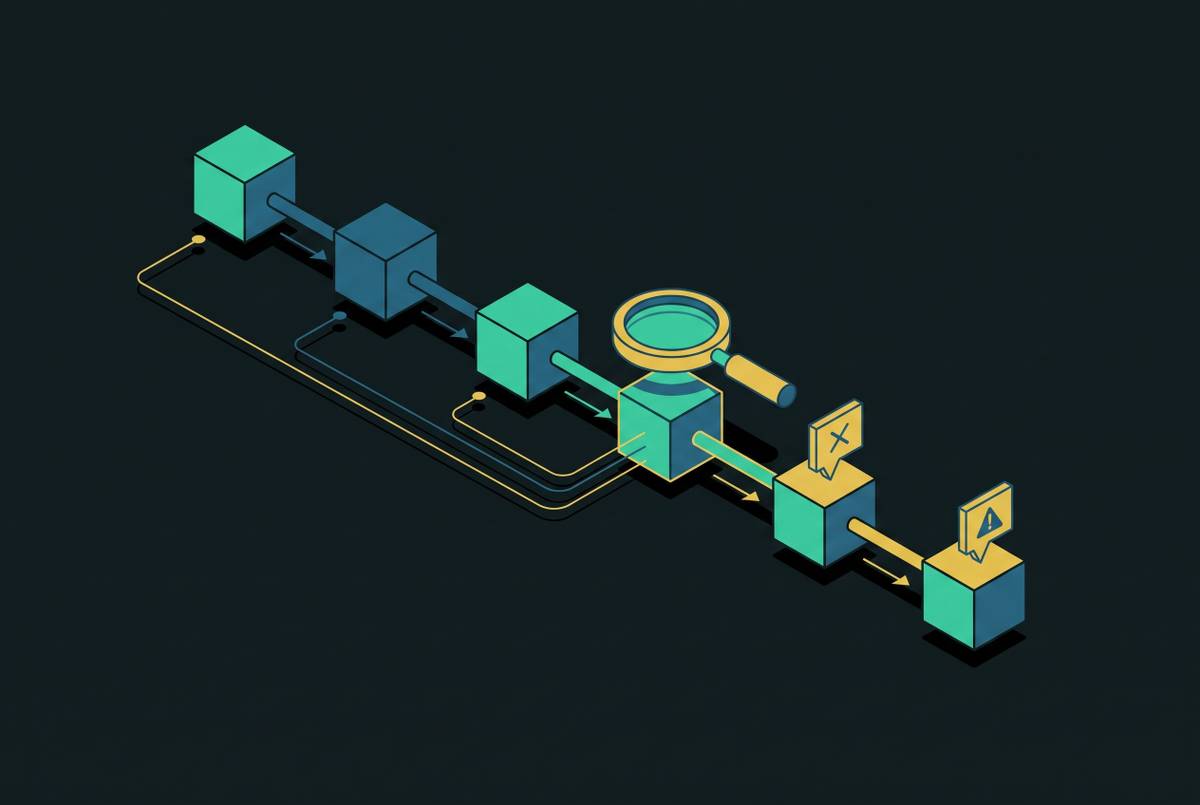
Tracing where multi-step agent failures actually originate, not where they surface.
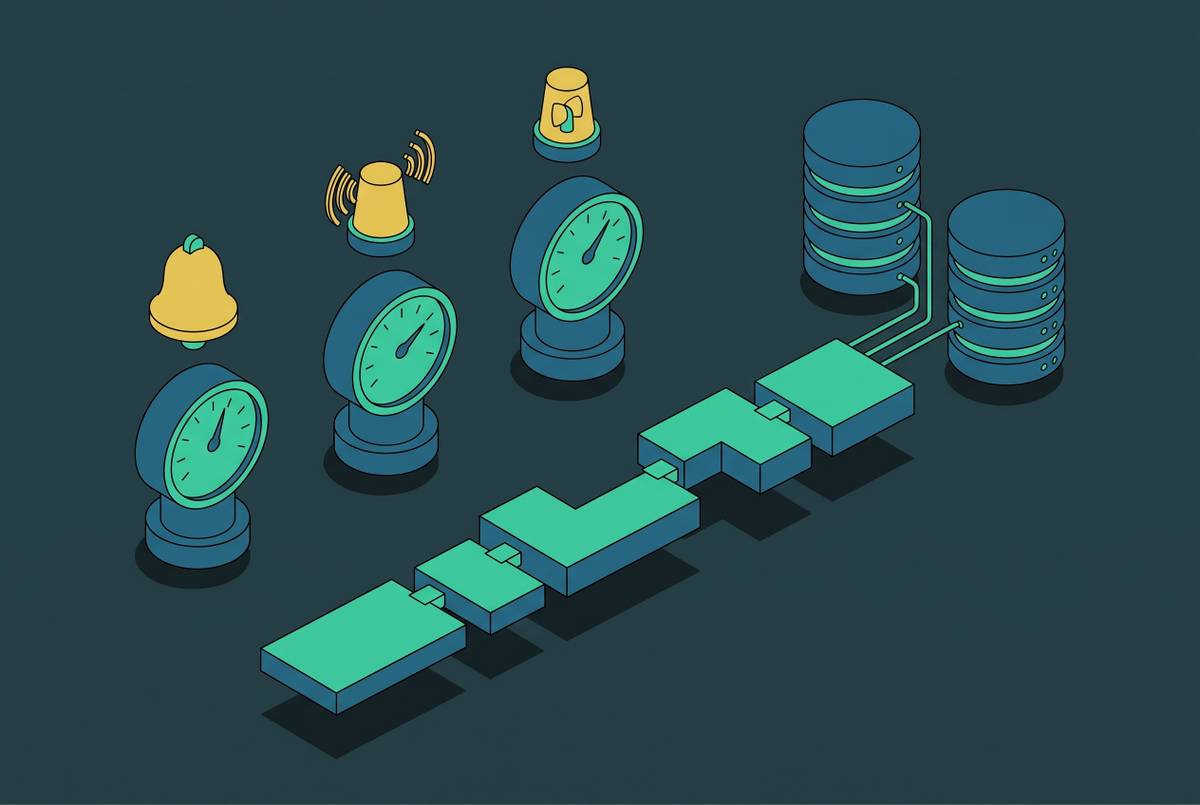
Unified alerting catches agent failures that span cost, latency, and quality.
Filtering agent traces requires understanding where failures actually originate.
Most agent failures originate in the runtime harness, not the model itself.